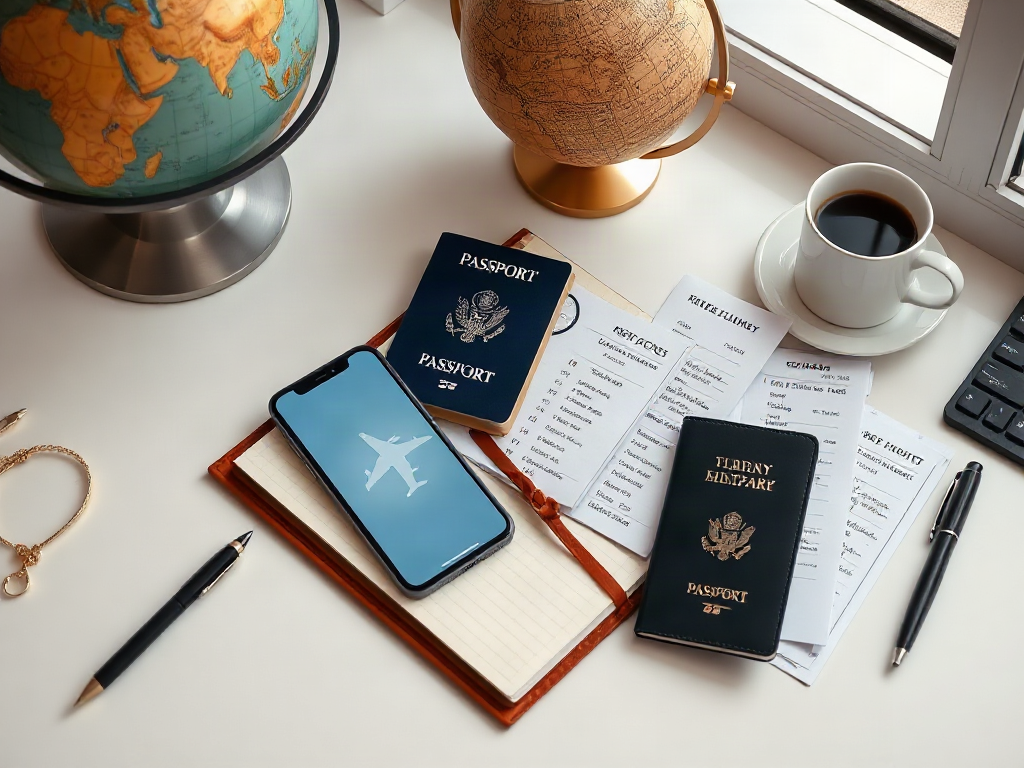
Travel Concierge Services for Business Owners in 2026: Reclaiming Time While Elevating Every Trip
For business owners, time is the most valuable asset on the balance sheet. Every hour spent comparing flight options, chasing hotel confirmations, or untangling a disrupted itinerary is an hour not spent closing deals, mentoring a team, or simply recovering from the demands of running a company. In 2026, the most successful entrepreneurs are treating travel planning not as a personal chore but as an operational function worthy of delegation. That shift has made travel concierge services for business owners one of the fastest-growing categories in the luxury and professional services space.
This article explores how a dedicated travel concierge supports business owners across the United States, what the service actually involves, and why having a personal travel planner on standby has become a competitive advantage rather than a luxury. Whether you run a nationwide logistics firm, a boutique consultancy, or a growing e-commerce brand, the principles here apply to you.
Why Business Travel Demands More Attention in 2026
The business travel landscape has changed dramatically over the past several years. Routes have shifted, airline loyalty programs have been restructured, premium cabin availability fluctuates by the hour, and corporate travel policies that once felt permanent are now rewritten quarterly. Business owners who travel frequently understand that the margin for error is thin. A missed connection in a hub city can cost a full day of meetings. A poorly located hotel can add hours of commuting. A late-arriving visa document can derail an entire international expansion trip.
At the same time, the expectations of clients and partners have risen. Showing up rested, prepared, and on schedule signals competence. The logistics behind that appearance, however, are increasingly complex. This is precisely where a concierge relationship becomes invaluable. Rather than reacting to travel problems after they occur, a concierge anticipates them.
What a Travel Concierge Actually Does for a Business Owner
The word "concierge" sometimes conjures images of a hotel desk arranging dinner reservations. Modern travel concierge services operate on a far broader canvas. For business owners, the scope typically includes:
- Flight booking and optimization: Selecting routes that balance cost, timing, cabin comfort, and loyalty program value, with attention to tight connection windows and airport efficiency.
- Hotel and accommodation reservations: Securing rooms in properties that match the purpose of the trip, whether that means a quiet suite for focused work or a central location for back-to-back meetings.
- Custom itineraries: Building day-by-day schedules that account for travel time, meeting buffers, and personal recovery.
- Cruise and group travel coordination: Arranging incentive trips, client retreats, and team offsites with cabin assignments and onboard logistics handled in advance.
- Last-minute changes: Rerouting flights, extending stays, or shifting destinations when business priorities evolve without warning.
- 24/7 support: Having a real person available when a delay hits at 11 p.m. in a time zone where your usual contacts are asleep.
- Destination intelligence: Providing grounded advice on neighborhoods, weather patterns, local customs, and business etiquette.
Each of these functions removes a layer of cognitive load from the business owner. Instead of managing travel, you experience it. A closer look at how the process unfolds from the client's perspective is available in the how it works overview, which walks through each stage of the concierge relationship.
The Hidden Cost of Self-Managed Business Travel
Many business owners believe they are saving money by handling travel themselves. In reality, the cost often appears elsewhere. Consider the following hidden expenses:
- Opportunity cost: Hours spent researching flights and hotels are hours unavailable for revenue-generating activity.
- Suboptimal bookings: Without deep familiarity with routing and fare structures, travelers frequently pay more for less convenient options.
- Reactive problem-solving: When disruptions occur, self-managed travelers scramble, often accepting poor alternatives because they lack leverage and relationships.
- Decision fatigue: Making dozens of small travel decisions before a high-stakes meeting erodes focus.
- Missed perks: Loyalty benefits, upgrade opportunities, and preferred-partner advantages often go unclaimed.
These costs rarely appear on an expense report, which is exactly why they are so often overlooked. The article on what a personal travel concierge does for busy professionals digs deeper into these trade-offs.
How Travel Concierge Services Support Different Types of Business Owners
Solo Entrepreneurs and Founders
Founders wear every hat, and travel planning is usually the hat that gets dropped. A concierge absorbs that responsibility entirely, allowing founders to focus on product, fundraising, or customer relationships. For those who travel to conferences, investor meetings, and industry events, having a planner who understands the rhythm of startup life makes a measurable difference.
Small Business Owners with Growing Teams
As a business scales, travel needs multiply. Sales teams attend trade shows, operations staff visit suppliers, and leadership attends board meetings in multiple cities. A concierge can coordinate these movements, ensuring that policies are followed, budgets are respected, and travelers arrive prepared. Group trips and multigenerational family travel, often overlapping with business obligations, benefit from the same coordination, as explored in the guide to multigenerational family trips.
Executives at Established Companies
Senior leaders often have calendars that leave little room for error. A concierge functions as a silent partner, ensuring that every leg of a trip is optimized. For international travel, this includes attention to time zones, visa requirements, and cultural considerations that can make or break a negotiation.
Key Features to Look for in a Business Travel Concierge
Not all concierge services are built the same. Business owners should evaluate providers against the following criteria:
- A dedicated point of contact: Consistency matters. Knowing who is handling your travel builds trust and improves outcomes over time.
- Nationwide coverage: A provider that operates across the United States can support travel to any domestic destination and coordinate international departures from any gateway city.
- Transparent membership structure: Predictable costs make budgeting easier. A flat membership model removes the guesswork from travel planning expenses.
- Round-the-clock availability: Business travel does not adhere to business hours. Support should be available whenever disruptions occur.
- Access to exclusive rates: Preferred partnerships often translate into better pricing and availability, particularly for premium cabins and sought-after properties.
- Range of services: From flights and hotels to cruises and custom itineraries, a comprehensive service menu reduces the need for multiple vendors.
A detailed breakdown of available services can be found on the services page.
The Role of a Concierge in Last-Minute Business Travel
Urgency is a constant in entrepreneurship. A key client requests an in-person meeting tomorrow. A supplier issue requires a same-week site visit. A conference speaker cancels and you are asked to step in. These scenarios demand immediate, competent action. A concierge with established relationships and real-time access to inventory can often secure options that would take an individual hours to find, if they find them at all.
Handling last-minute travel well is a skill, and it is one that improves with experience and connections. The article on last-minute luxury travel planning outlines how professionals approach these high-pressure situations.
Business Travel and Personal Travel: Blending the Two
Business owners increasingly extend work trips into personal getaways. A conference in Miami becomes a long weekend with a partner. A supplier visit in Europe becomes a family vacation. Blending the two requires careful coordination, particularly when the needs of business and leisure travelers differ. A concierge can design itineraries that serve both purposes, ensuring that work obligations are met while personal time is protected.
For those considering a first consultation, the guide to what to expect from your first consultation offers a helpful preview.
Common Questions Business Owners Ask
Is a travel concierge only for luxury travel?
No. While concierge services are frequently associated with premium travel, they support a wide range of trip types, including routine business travel, group events, and personal vacations. The value lies in the time saved and the quality of the planning, not solely in the price point of the trip.
Can a concierge handle travel for my whole team?
Yes. Many concierge relationships expand to include team travel, especially for sales teams, leadership retreats, and client events. Group coordination is one of the most valuable services a concierge can provide.
What happens when a trip goes wrong?
This is where the concierge model shines. Instead of navigating hold times and limited options alone, the business owner has an advocate who understands the full itinerary and can act quickly. Support is available around the clock for members.
How does a membership work?
A membership typically provides ongoing access to a dedicated planner, preferred rates, and continuous support. Details on how membership is structured are available on the pricing page.
The Strategic Case for Delegating Travel
Delegation is a hallmark of effective leadership. Business owners delegate accounting, legal work, marketing, and IT because specialized expertise produces better outcomes. Travel planning deserves the same treatment. A dedicated travel professional brings knowledge of routes, properties, timing, and contingencies that accumulates over thousands of trips. That knowledge translates into smoother experiences and fewer surprises.
Beyond logistics, there is a psychological benefit. When a business owner knows that travel is handled, they can engage more fully with the purpose of the trip. Meetings become more productive. Client relationships deepen. Recovery time is protected. The compounding effect of these improvements over a year of travel is significant.
Looking Ahead: Travel Trends Business Owners Should Watch in 2026
Several trends are shaping how business owners approach travel this year:
- Personalization at scale: Concierge services are using detailed traveler preferences to tailor every trip, from seat selection to dining recommendations.
- Wellness-integrated itineraries: Business travelers are prioritizing rest, nutrition, and movement, and concierges are building trips that support these goals.
- Blended travel: The line between business and leisure continues to blur, requiring planners who can serve both.
- Resilience planning: Contingency planning is now a standard part of any well-managed itinerary.
- Access and exclusivity: Preferred partnerships and private access are increasingly valuable differentiators.
A broader look at what is changing across the industry is available in the article on top travel concierge trends.
Building a Long-Term Relationship with Your Concierge
The best results come from a relationship, not a transaction. Business owners who share their preferences, schedule patterns, and priorities with their concierge receive increasingly tailored support over time. A planner who knows that you prefer morning flights, aisle seats, and hotels within walking distance of your meetings can make decisions quickly and accurately without repeated back-and-forth.
This relationship also pays dividends during peak travel periods, when availability tightens and advance planning matters most. A concierge who understands your calendar can anticipate needs before they become urgent. More on the value of this ongoing partnership is outlined on the about page.
Referrals and Community
Many business owners discover concierge services through peers. Word-of-mouth remains the most trusted channel for finding a travel partner, and programs that reward referrals strengthen that network. If you know another business owner who travels frequently, the refer a friend program offers a way to share the benefit while earning travel credits.
Getting Started
Beginning a concierge relationship is straightforward. The first step is a conversation about your travel patterns, priorities, and expectations. From there, a dedicated planner can begin supporting upcoming trips and building a profile that improves with every journey. Questions about the process can be directed through the contact page, and additional insights are available on the blog.
For business owners who want to stop losing hours to logistics and start arriving at every destination prepared and rested, the case for a travel concierge is clear. The service is not about indulgence. It is about efficiency, consistency, and the quiet confidence that comes from knowing every detail is handled.
Ready to reclaim your time and elevate every business trip? Contact Premium Travel Concierge today to speak with a dedicated personal travel planner and discover how a nationwide concierge membership can support your travel goals in 2026 and beyond. Visit https://premiumtravelconcierge.com or reach out through the contact page to get started.